
Blog
How to Prevent Bee Stings — Essential Beekeeping Gear and Safety Tips

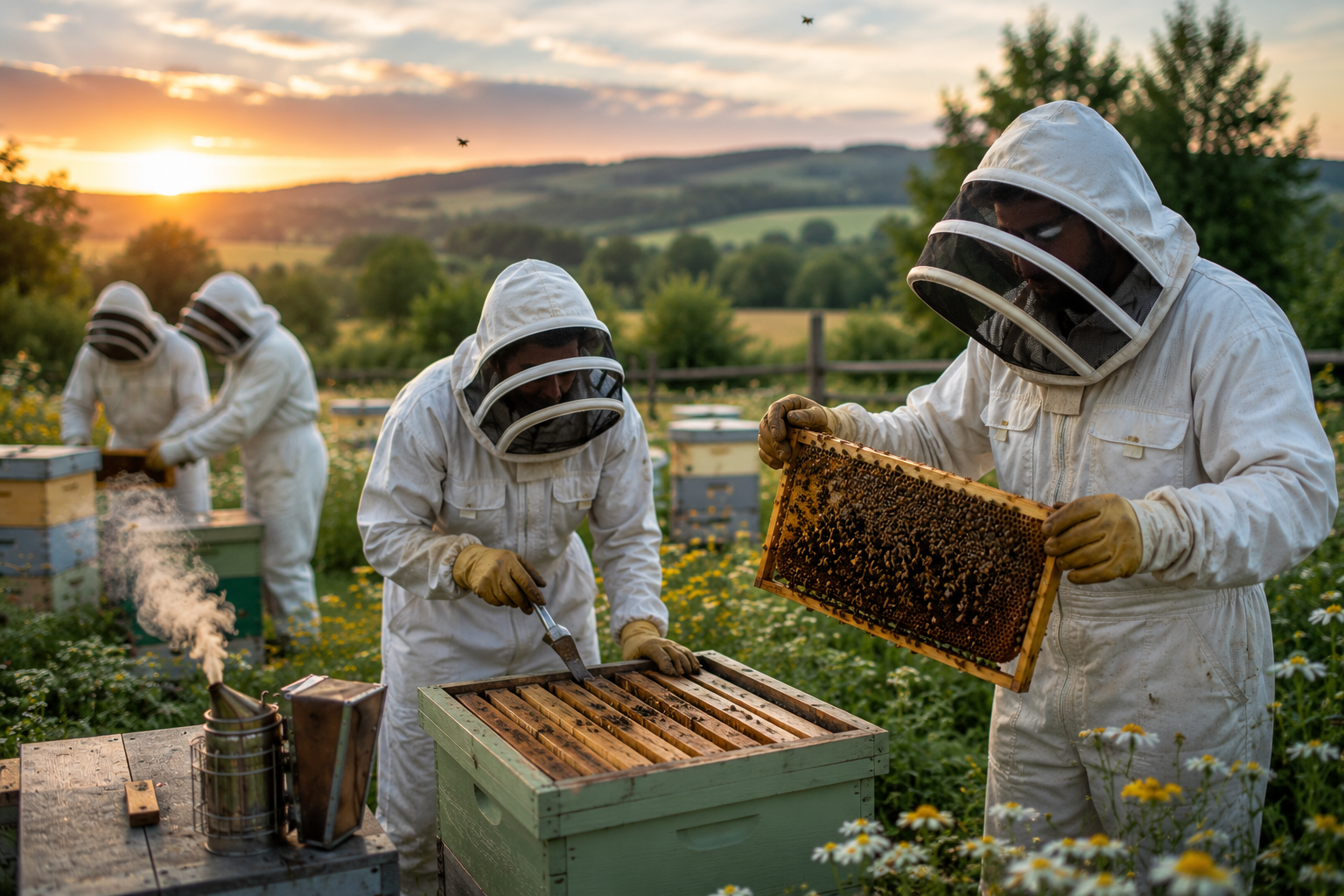
There’s a particular kind of sting that catches new beekeepers off guard — not the physical pain exactly, but the surprise of it. You open the hive expecting a calm, routine check, and within seconds you’re backing away with a bee caught in your sleeve. Most beekeepers who get stung repeatedly aren’t doing anything wildly wrong. They’re usually missing one small piece of gear, skipping a step in their routine, or misreading how the bees are behaving that day.
The good news is that bee stings are largely preventable once you understand what actually triggers them and gear up properly for it. This isn’t about avoiding bees altogether — it’s about working with them in a way that keeps both you and the hive calm.
Why Bee Stings Happen More Often Than They Should
Bees don’t sting for no reason. A sting is a defensive response, usually triggered by vibration, sudden movement, a perceived threat to the hive, or a scent the colony associates with danger — including certain perfumes, sweat, or even the smell left behind from a previous sting. Once one bee stings, it releases a pheromone that can prompt others nearby to do the same, which is why a single sting can sometimes escalate quickly if you don’t move away calmly.
New beekeepers often get stung more than experienced ones not because bees “like” going after beginners, but because beginners tend to move faster, hesitate less before reaching into the hive, and skip protective gear on days when they assume the bees will be calm. Weather, time of day, and even how recently the hive was disturbed all affect how defensive bees are likely to be.
The Beekeeping Suit: Your First Line of Defense
A proper beekeeping suit is the single most effective piece of equipment for preventing stings, and it’s worth investing in one that actually fits well rather than the cheapest option available. A suit that’s too loose lets fabric brush against your skin, which bees can sting straight through if the material sits flush against your body. A suit that’s too tight restricts movement, which tends to make people move more abruptly — exactly the kind of motion that triggers defensive behavior.
Look for a suit made from thick, breathable fabric with reinforced stitching around the zippers and cuffs, since these are the areas bees are most likely to find their way through. Full-body suits with an attached veil offer the most complete protection, while separate jacket-and-veil combinations can work well for quicker hive checks in milder weather.
Gloves, Boots, and Sealing Every Gap
Hands are one of the most common places beekeepers get stung, simply because they’re doing all the work close to the bees. Thick leather or reinforced fabric gloves protect against stings while still allowing enough dexterity to handle frames and tools. Elasticated cuffs that seal tightly around the wrist matter more than people expect — a gap here is an easy entry point.
The same logic applies at the ankles. Tucking pant legs into boots, or wearing a suit with built-in elastic at the ankle, closes off another gap that bees will find if it’s left open. It sounds like a small detail, but a surprising number of stings happen at the wrists and ankles specifically because these areas get overlooked once the veil and gloves are on.
Veils and Head Protection
A sting to the face or neck is disproportionately unpleasant compared to one on a gloved hand, which is why veil quality matters as much as suit quality. Look for a veil with sturdy mesh that holds its shape away from your face — mesh that collapses inward when touched defeats the purpose, since bees can sting through fabric that’s pressed against skin.
Round or square veil designs both work, but round veils tend to keep more distance from your face and neck by design. Whichever style you choose, check the zipper connection between the veil and suit before every use. A poorly connected zipper is one of the most common gear failures reported by beekeepers, and it usually happens at the worst possible moment.
Using a Smoker the Right Way
A smoker is one of the oldest tools in beekeeping, and it still works because of simple biology: smoke masks the alarm pheromone bees release, which reduces the colony’s overall defensive response. A few gentle puffs at the hive entrance before opening it, followed by a few more once the top is off, tends to keep bees calmer throughout the inspection.
The mistake many beginners make is either skipping the smoker to save time or using far more smoke than necessary. Too little does nothing useful. Too much can agitate bees rather than calm them, and it can also stress the colony if it happens too frequently. A light, consistent touch works better than an aggressive one.
Timing and Weather Matter More Than People Expect
Bees are noticeably more defensive on hot, humid, overcast days, and considerably calmer on mild, sunny afternoons when foragers are out and the hive population inside is lower. Late afternoon or early evening tends to bring more bees home at once, which means a fuller, more crowded hive — not the ideal time for a lengthy inspection.
Checking the weather and picking a calm, moderate day isn’t just a comfort preference. It genuinely changes how the colony behaves when you open the hive, and it’s one of the easiest variables to control simply by planning ahead.
Safe Movement Around the Hive
Slow, deliberate movement matters as much as any piece of gear. Sudden motions, quick hand movements, or leaning heavily over an open hive all read as threatening to bees, even when there’s no actual danger involved. Approaching from the side rather than directly in front of the entrance, and avoiding standing in the bees’ direct flight path, reduces the number of bees that notice you as an obstacle in the first place.
It also helps to avoid strong scents before a hive visit — perfume, scented deodorant, and even certain shampoos can trigger a defensive response, since some of these scents resemble alarm pheromones to bees.
What to Do If You Get Stung Anyway
Even with full gear and careful movement, an occasional sting happens — usually through a gap in clothing rather than through fabric itself. If you’re stung, scrape the stinger out sideways with a fingernail or hive tool rather than pinching it, since squeezing can push more venom into the skin. Move a short distance away calmly rather than swatting, since swatting often triggers additional stings from nearby bees responding to the disturbance.
A cold compress and an over-the-counter antihistamine can help with the local swelling and itching that follow a typical sting. For most people, this discomfort fades within a day or two.
Recognizing a Serious Allergic Reaction
Most bee stings cause temporary pain, redness, and swelling at the site — normal reactions that don’t require medical attention. A serious allergic reaction is different, and it’s worth knowing the signs: difficulty breathing, swelling of the face, lips, or throat, dizziness, a rapid heartbeat, or hives spreading beyond the sting site. These symptoms require immediate emergency medical attention, since anaphylaxis can escalate quickly.
Anyone with a known bee allergy should carry an epinephrine auto-injector when working near hives and should consider having a second person present during inspections as a safety precaution.
Building a Long-Term Safety Routine
Preventing stings consistently comes down to habit as much as equipment. Inspecting your suit and gloves for wear before each use, keeping your smoker lit and ready before opening a hive, checking weather conditions ahead of time, and moving slowly and deliberately around the colony all add up over repeated inspections. None of these steps take much extra time individually, but together they make the difference between a routine hive check and an unpleasant surprise.
Frequently Asked Questions
What is the most important piece of beekeeping gear for preventing stings? A properly fitted beekeeping suit is the most important single piece of gear, since a loose or ill-fitting suit allows fabric to touch the skin, which bees can sting through.
Why do bees sting more on certain days? Bees tend to be more defensive on hot, humid, or overcast days and calmer during mild, sunny weather, since weather affects both bee behavior and how many bees are inside the hive at once.
Should I use a smoker every time I check the hive? Yes, a few gentle puffs before and during an inspection generally helps keep bees calmer by masking their alarm pheromone, though excessive smoke can have the opposite effect.
What should I do immediately after being stung? Scrape the stinger out sideways rather than pinching it, move away calmly, and apply a cold compress or antihistamine if needed for swelling and itching.
How do I know if a bee sting reaction is serious? Watch for difficulty breathing, swelling of the face or throat, dizziness, or hives spreading beyond the sting site. These symptoms indicate a potential allergic reaction and require immediate medical attention.
Conclusion
Preventing bee stings isn’t about eliminating risk entirely — it’s about stacking small, consistent habits and reliable gear so that the odds shift firmly in your favor. A well-fitted suit, sealed gaps at the wrists and ankles, a properly used smoker, and an awareness of weather and bee behavior together do far more than any single precaution on its own. Beekeeping remains a rewarding, hands-on practice once the basic safety habits become second nature — and for most beekeepers, that’s exactly what happens with time.